Guides
How to send
a pallet.
Pallets are simple to send once you know the sizes, the weight limits and how delivery actually works.
Pallet sizes and weights
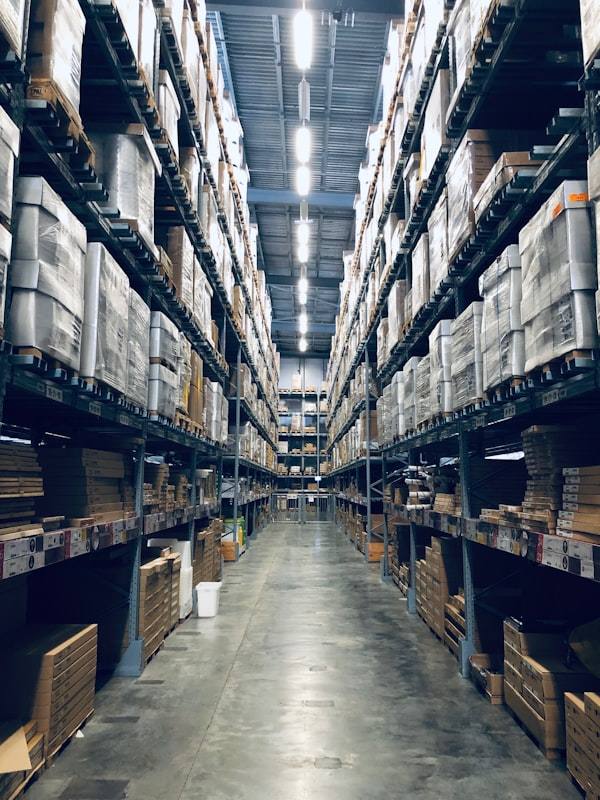
The two common UK pallets are the standard (1200 × 1000mm) and the Euro (1200 × 800mm). A full pallet is usually up to about 1.2m tall once loaded, and weights range from a light quarter-pallet to a tonne or more on a heavy full one.
Know the footprint, the loaded height and the weight before you book — those three numbers decide the vehicle and the price.
Packing and labelling
Stack heavier items at the bottom, keep the load within the pallet footprint, and shrink-wrap or strap it so nothing shifts in transit. Label clearly with the delivery address and any handling notes.
If the goods are fragile, awkward or top-heavy, say so when you book — it affects how the load is secured and whether a two-person crew helps.
Tail-lift and two-man options
If there's no forklift at one end, you'll need a tail-lift vehicle to raise the pallet from the ground to the deck, and sometimes a two-man crew to position it safely. A Luton handles a few pallets; a 7.5-tonne carries up to around ten; and an articulated lorry up to around 26 for a full load.
Tell the operator about access — a tight street, no loading bay, stairs — so the right vehicle and crew turn up.
Dedicated vs the pallet network
A pallet network is economical but can take a day or two and passes your freight through several depots. A dedicated vehicle takes it straight there, today, handled once — faster and far more reliable for anything time-sensitive.
Related
Need it moved?
Tell us the job and we'll come back with a fixed quote. Collection within the hour, 24/7.